

Commercial Roofing Foreman & PM Salary (2026)
What commercial roofers, foremen, and PMs actually earn in 2026 — and how to stay staffed through the ongoing labor shortage.
Commercial roofing wages have climbed roughly 8–10% per year for three years, and the senior labor pool that can run a TPO, EPDM, or modified-bitumen job efficiently is being recruited faster than firms can backfill. Here is the 2026 pay landscape across every role and what it actually takes to staff a commercial roofing firm right now.
Roofer pay (2026 national ranges)
- Commercial roofing laborer / helper: $42,000–$60,000.
- Commercial roofing installer (mid): $58,000–$82,000.
- Senior install crew / TPO specialist: $72,000–$95,000.
- Service technician (commercial roofing): $65,000–$90,000 base plus on-call.
- Senior service tech (ITM-credentialed): $80,000–$110,000.
- Roofing foreman: $80,000–$120,000.
- Roofing project manager (commercial): $95,000–$145,000.
- Senior PM on healthcare / higher-ed / commercial complex work: $135,000–$185,000.
- Outside sales / business development: $75,000 base + commission, $130,000–$200,000 OTE.
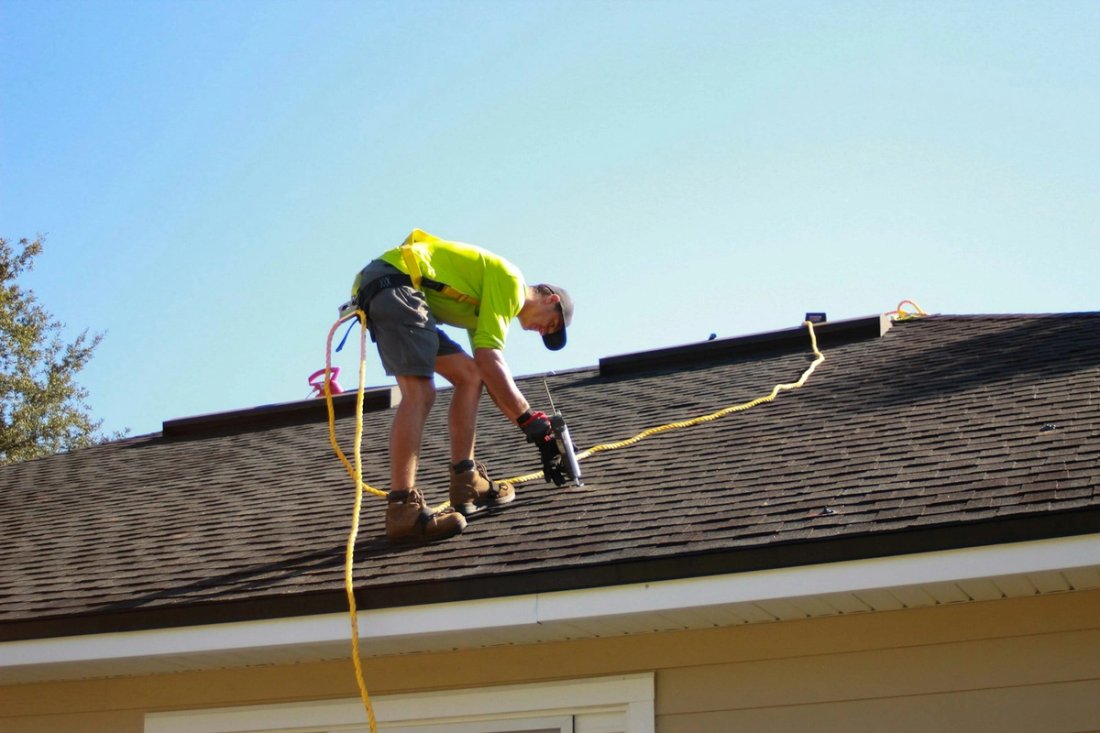
Why commercial roofing wages keep climbing
This is not cyclical. The roofing workforce is aging out and the trade is not replacing it. Apprenticeship programs help but take 3–4 years to produce someone who can run a crew. In the meantime, the existing senior labor pool gets bid up by everyone who needs it. Two implications: the wage curve is not going down in this decade, and the best contractors are building bench depth before they need it.
Where the best service techs actually come from
Almost never from a job posting. The best commercial service techs are usually one of three things:
- Currently employed at a competitor and frustrated by something specific — schedule, leadership, the truck, the foreman, comp progression.
- A foreman or lead at a residential roofing company who wants to move into commercial because the work and the comp are better.
- A laid-off tech from a downsizing competitor — high-value, time-sensitive.
Compensation alone does not close the gap
Pay matters. But pay is rarely the only or even the primary reason a senior tech changes jobs. Truck quality, foreman quality, schedule predictability, and a clear path to lead or foreman within 12–18 months close the deal more than the hourly rate does.
ITM technicians: separate problem, separate hire
Inspection, testing, and maintenance work is growing roughly 15% year over year because its recurring-revenue model is attractive to ownership groups. ITM technicians need different credentials (NICET ITM) and are not interchangeable with install techs. If ITM is part of your business, you need a dedicated sourcing strategy for those credentials — they do not come from the same pool as install crews.
Frequently asked questions
How much have commercial roofing wages increased?
Commercial roofing wages have climbed roughly 8–10% per year for three years running. Service technicians and senior foremen are the highest-pressure roles — both are being recruited faster than firms can backfill.
Why is the commercial roofing labor shortage structural?
This is not a cyclical labor squeeze. The roofing workforce is aging out and the trade is not replacing it fast enough. Apprenticeship programs help but take 3–4 years to produce someone who can run a crew. The wage curve is not going down in this decade.
What is an ITM technician in commercial roofing?
ITM stands for Inspection, Testing, and Maintenance. ITM technicians perform recurring maintenance work on commercial roofing systems and require different credentials than install crews. The work is growing roughly 15% year over year because the recurring-revenue model attracts ownership groups.
Where do the best commercial roofing service techs come from?
Almost never from a job posting. They are usually employed at a competitor and frustrated by something specific (schedule, leadership, the truck), or they are a residential lead foreman ready to move into commercial. Reaching either takes sustained outbound outreach.


Keep going.
Tools, guides, and side-by-side comparisons that pair with this article.
2026 Salary Calculator
Role × experience × region → 2026 base-salary range. Pairs with every article.
Open the calculator →Cost of Vacancy Calculator
Estimate what that open seat has cost you so far. Most decisions look different after this.
Run the math →Commercial Roofing — Whitepaper
Industry hiring analysis — labor market, credentials, what works.
Get the download →Commercial Roofing — Salary Guide
What this trade's roles actually pay — by region and credential level.
Get the download →Commercial Roofing — Interview Guide
Role-specific interview questions and a vetting framework.
Get the download →Talent Solutions vs Contingency Recruiters
An honest side-by-side: cost, time-to-fill, incentive alignment, predictability.
Read the comparison →Talent Solutions vs Staffing Agencies
Direct hire vs temp / contract-to-hire — hourly mark-ups, buyouts, loyalty problem.
Read the comparison →Talent Solutions vs Internal Recruiting
What DIY recruiting really costs once leadership time is priced in.
Read the comparison →