

NICET-Certified Fire Alarm Technician Salary by Level (2026)
What fire alarm technicians, sprinkler fitters, and NICET-certified designers earn in 2026 — by level, role, and major market.
Fire protection is the trade where credentials drive comp more than anywhere else. NICET certifications layer cleanly onto wage scales, and senior designers and ITM technicians are the most under-supplied roles in the trade right now. Here is the 2026 salary picture across every role and credential level.
Fire alarm technician salary (2026 national ranges)
- Entry technician (NICET I or pre-credential): $48,000–$65,000.
- Fire alarm technician (NICET II): $62,000–$85,000 base.
- Senior fire alarm technician (NICET III): $80,000–$110,000 base.
- Fire alarm designer (NICET III): $90,000–$125,000 base. Senior designers in major metros exceed $135,000.
- Fire alarm designer (NICET IV): $115,000–$160,000+ base. Rare; most firms grow Level IV internally rather than hire.
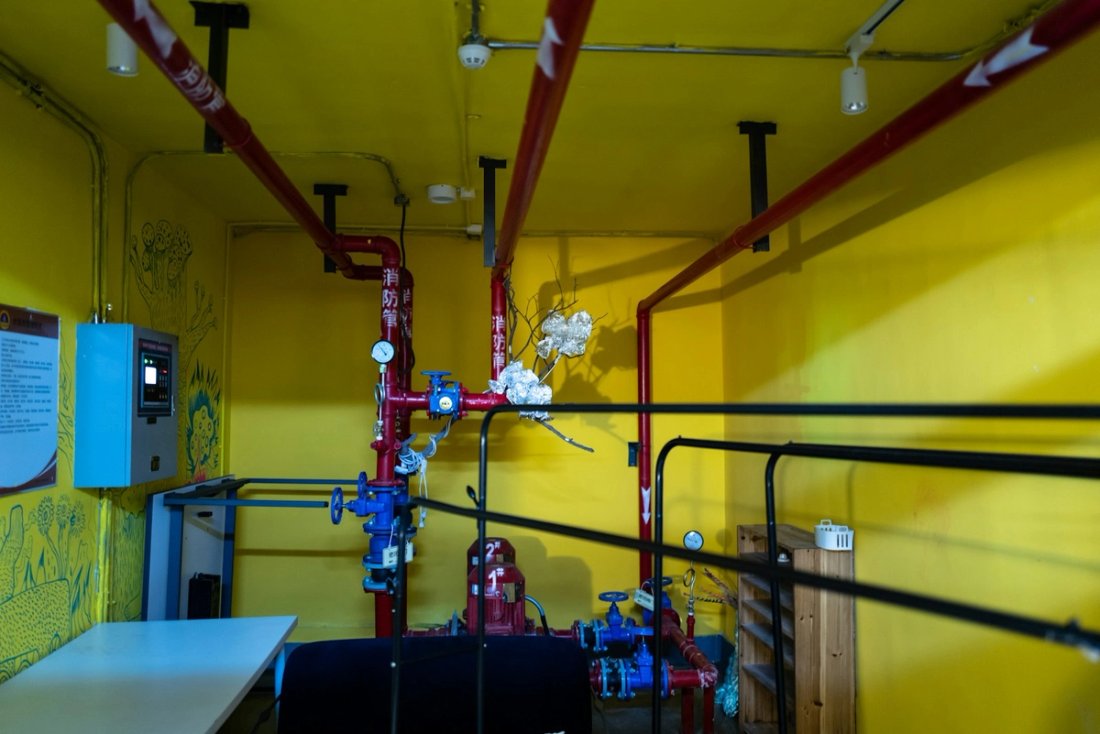
Fire sprinkler fitter salary
- Apprentice sprinkler fitter: $42,000–$58,000.
- Journeyman sprinkler fitter (commercial): $75,000–$105,000 base plus benefits on union scale.
- Senior fitter / lead: $90,000–$120,000.
- Sprinkler foreman: $95,000–$135,000.
ITM technician salary
- ITM technician (NICET ITM I): $58,000–$78,000.
- ITM technician (NICET ITM II, senior): $78,000–$105,000 plus commission on inspection-driven leads where offered.
- ITM service manager: $95,000–$135,000.
What NICET certification actually is
NICET is the National Institute for Certification in Engineering Technologies. The fire-alarm, fire-sprinkler, and inspection/testing/maintenance (ITM) certifications are the gold-standard credentials in the trade. Levels go from I (entry) through IV (rare specialist). A Level III fire-alarm designer earns roughly 20–30% more than an uncredentialed equivalent in the same market, and that premium has been climbing for five years.
How long it takes to hire a senior fire-alarm designer
Expect 120+ days. The credentialed pool is small, the people in it are almost always employed, and the credential itself cannot be rushed. The contractors who staff this role well maintain an ongoing pipeline of credentialed designers instead of starting a search from scratch when a seat opens.
Competing with national integrators
The biggest threat to your bench is not another local contractor — it is a national fire-protection integrator paying 15% more for the same techs. To compete, the local firm has to offer what the national cannot: predictable schedule, real career progression, and a foreman or branch manager who actually answers the phone. Pay matters, but the differentiator is the day-to-day.
Frequently asked questions
What is NICET certification?
NICET is the National Institute for Certification in Engineering Technologies. NICET certifications in fire alarm, fire sprinkler, and inspection/testing/maintenance (ITM) are the gold-standard credentials for fire-protection technicians and designers. Levels go from I (entry) through IV (rare specialist).
What is the difference between NICET Level III and Level IV?
Level III is the standard credential for senior fire-alarm designers and senior technicians and unlocks most premium pay. Level IV is rare enough that most firms have stopped trying to hire from outside and instead grow them internally over 12–18 months.
How long does it take to hire a senior fire-alarm designer?
Expect 120+ days. The credentialed pool is small, the people in it are almost always employed, and the credential itself cannot be rushed. Contractors who staff this role well maintain an ongoing pipeline of credentialed designers instead of starting a search from scratch when a seat opens.
What does a NICET Level III fire-alarm designer earn?
NICET Level III designers earn roughly 20–30% more than an uncredentialed equivalent in the same market, and that premium has been climbing for five years. Top-of-market designers in tier-1 metros can exceed that range significantly.


Keep going.
Tools, guides, and side-by-side comparisons that pair with this article.
2026 Salary Calculator
Role × experience × region → 2026 base-salary range. Pairs with every article.
Open the calculator →Cost of Vacancy Calculator
Estimate what that open seat has cost you so far. Most decisions look different after this.
Run the math →Fire Protection — Whitepaper
Industry hiring analysis — labor market, credentials, what works.
Get the download →Fire Protection — Salary Guide
What this trade's roles actually pay — by region and credential level.
Get the download →Fire Protection — Interview Guide
Role-specific interview questions and a vetting framework.
Get the download →Talent Solutions vs Contingency Recruiters
An honest side-by-side: cost, time-to-fill, incentive alignment, predictability.
Read the comparison →Talent Solutions vs Staffing Agencies
Direct hire vs temp / contract-to-hire — hourly mark-ups, buyouts, loyalty problem.
Read the comparison →Talent Solutions vs Internal Recruiting
What DIY recruiting really costs once leadership time is priced in.
Read the comparison →