

Commercial Carpet & LVT Installer Salary (2026)
What carpet, LVT, hard-surface, and polished-concrete installers earn in 2026 — and how to hire across each surface type without losing margin.
Commercial flooring is not one trade — it is four. Carpet tile and broadloom, LVT and hard surface, polished concrete, and specialty (epoxy, rubber, wood) each demand different skill sets, certifications, and pay scales. Hiring as if it were one trade produces the wrong hires for every job. Here is the 2026 salary landscape across each.
Carpet installer pay (2026 national ranges)
- Carpet installer apprentice / helper: $40,000–$54,000.
- Carpet installer (mid, commercial): $52,000–$72,000 base, often plus production / piece-rate bonus.
- Senior carpet installer / lead: $68,000–$92,000.
- Carpet foreman (commercial, multi-crew): $82,000–$115,000.
LVT and hard-surface installer salary
- LVT installer (entry): $48,000–$64,000.
- LVT installer (senior, prep-experienced): $68,000–$95,000.
- Hard-surface installer (luxury vinyl, sheet goods, rubber): $58,000–$85,000.
LVT and hard surface installs live and die on substrate prep. The installer who tells you a job will need an extra day for prep is the one you want. The one who guarantees they will get it done in the original window is the one who will cost you margin.
Polished concrete crew salary
- Polished concrete laborer / helper: $48,000–$62,000.
- Polished concrete installer (mid): $65,000–$92,000.
- Polished concrete foreman: $90,000–$130,000.
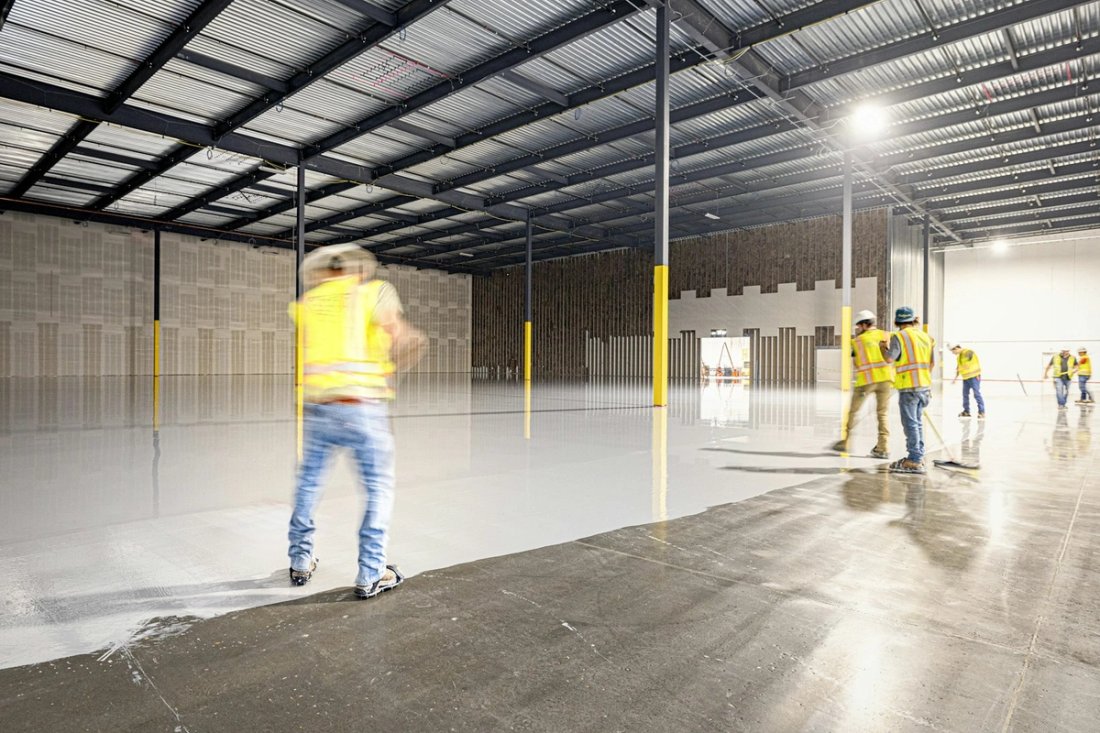
Polished concrete is its own trade. It requires equipment your other crews do not run, certifications most installers do not have, and a feel for the work that takes years to develop. Hire a dedicated foreman and crew for it; do not try to convert your carpet crew.
Project manager and account manager salary
- Junior PM / coordinator: $58,000–$75,000.
- Commercial flooring PM (mid): $78,000–$110,000.
- Senior commercial flooring PM: $105,000–$140,000.
- Commercial flooring account manager: $72,000–$105,000 plus commission.
On commercial flooring contracts above a certain scale, the PM and AM matter more than the installers. A great commercial flooring PM does not need to install LVT — they need to keep the install on schedule and the customer happy.
Where the senior installers actually come from
Senior commercial flooring installers are not on job boards. They are either working for a regional competitor or running a small crew of their own. Reaching them takes targeted outreach, often through manufacturer reps, distributor contacts, and union halls where applicable. The firms that staff well long-term are the ones investing in those relationships consistently.
Frequently asked questions
What does a commercial flooring installer earn?
Skilled commercial carpet and LVT installers typically earn $25–$38 per hour depending on market and union status. Polished concrete and specialty (epoxy, rubber, wood) installers sit higher because the skill is rarer.
What is the difference between LVT and hard-surface installers?
LVT and hard-surface work depends heavily on substrate prep — moisture testing, self-leveler execution, multiple adhesive systems. A great LVT installer is detail-obsessed about prep. Carpet installers are typically about production rate and clean edges, which is a different skill set.
How do you hire a polished concrete crew?
Polished concrete is its own trade. It requires equipment your other crews do not run, certifications most general installers do not have, and a feel for the work that takes years to develop. Hire a dedicated foreman and crew for it; do not try to convert your carpet crew.
What credentials matter for commercial flooring installers?
INSTALL certification (the union's training and credentialing arm), manufacturer-specific training (Shaw, Mohawk, Armstrong), polished-concrete certifications for specialty work, and OSHA 30 for foreman-level hires.


Keep going.
Tools, guides, and side-by-side comparisons that pair with this article.
2026 Salary Calculator
Role × experience × region → 2026 base-salary range. Pairs with every article.
Open the calculator →Cost of Vacancy Calculator
Estimate what that open seat has cost you so far. Most decisions look different after this.
Run the math →Commercial Flooring — Whitepaper
Industry hiring analysis — labor market, credentials, what works.
Get the download →Commercial Flooring — Salary Guide
What this trade's roles actually pay — by region and credential level.
Get the download →Commercial Flooring — Interview Guide
Role-specific interview questions and a vetting framework.
Get the download →Talent Solutions vs Contingency Recruiters
An honest side-by-side: cost, time-to-fill, incentive alignment, predictability.
Read the comparison →Talent Solutions vs Staffing Agencies
Direct hire vs temp / contract-to-hire — hourly mark-ups, buyouts, loyalty problem.
Read the comparison →Talent Solutions vs Internal Recruiting
What DIY recruiting really costs once leadership time is priced in.
Read the comparison →